Early Warning: Why Your Building Needs More Than Just a Fire Extinguisher
Ever face a situation where early detection of fire has saved lives, property, and buildings? On the other hand, the late discovery has caused greater harm and increased the risk of people living in danger. It would have been avoided with just an electrical siren before it escalated into something harmful and out of control. If a fire had broken out at 3 a.m in the multistory office building and the security guard had discovered it 10 minutes later. By this time, the flames have gone wild and spread across two floors, consuming combustible materials such as furniture, paper files, and electrical wiring.
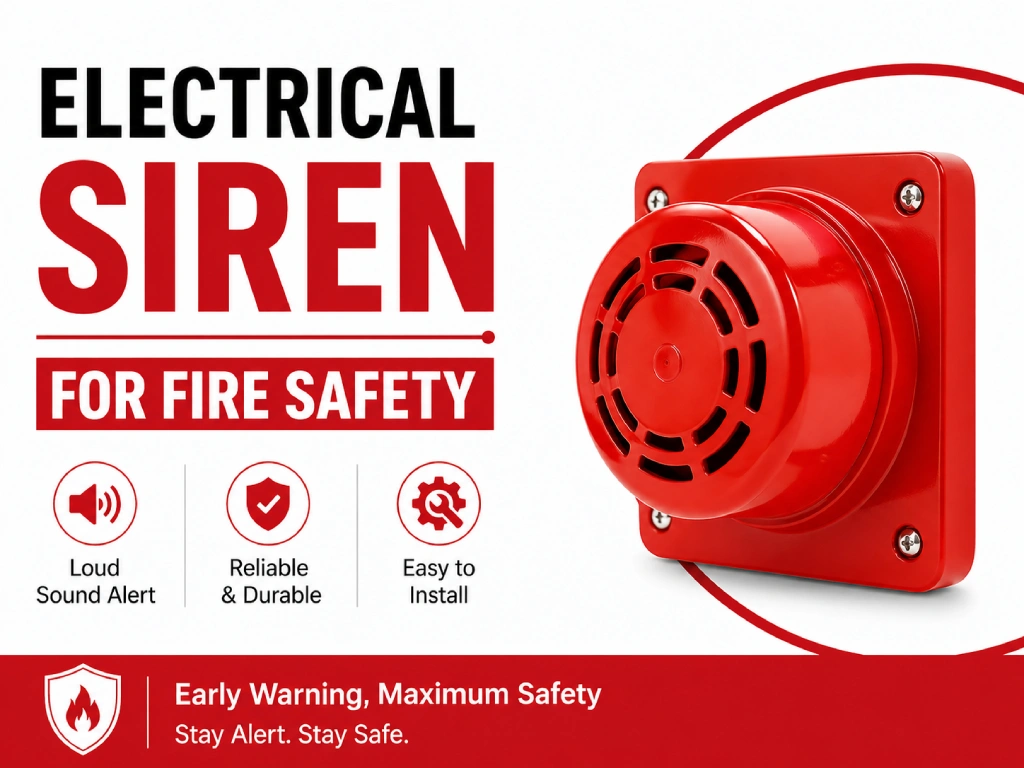
Most people believe that only a fire extinguisher is enough to meet safety protocols and maintain safety. However, the reality is very different: the fire extinguisher is reactive and only works when you discover the fire. The electrical siren is the only product you need to complete and protect your system. Moreover, this blog explores why early warning is the safety protocol your building needs more than fire extinguishers themselves.
Proof: Why Fire Extinguishers Aren’t Enough?
The extinguishers are crucial for controlling or extinguishing fires, but they are reactive in nature. Meaning it does not automatically work just by detecting the fire to get control of it. It requires:
- Human detection of the fire
- Physical presence near the fire source
- Training of professionals for operating in emergencies
Therefore, a fire extinguisher with alarm systems is needed in unmanned areas such as basements, storage rooms, server rooms, and parking lots.
Check out some Real-World Scenarios Where Extinguishers Fall Short
➔ Nighttime Fires in Offices
Night is the time when most damage happens because no humans are present, mostly only the guards. Most of the time, they can present at either part of the office or the main gate. The fire starts in the back, spreads, and destroys many vital materials before the security guard notices smoke. That is beyond what a single extinguisher can handle.
➔ Fires in Closed Warehouses
In a warehouse, a small electrical short starts a fire in a corner that can burn down half of it before it’s noticed. The electrical siren, on the other hand, will alert the system within a few seconds, saving everything.
➔ Multi-Floor Residential Complexes
The fire from the kitchen goes unnoticed in residential complexes because residents on other floors remain unaware of it. Until the smoke spreads or someone manually raises the alarm. gets unnoticed
➔ Industrial Facilities with Hazardous Materials
Early detection in industrial facilities is a matter of love and detail, with thousands of employees present. Relying on a spot to find a fire, grab a fire extinguisher, and respond within seconds is unrealistic.
➔ Server Rooms & Electrical Panels
These are the places with the highest risk of being ignored, and a fire can harm you unexpectedly. It is essential to have a siren in these spaces because the fire here goes unnoticed until critical infrastructure is destroyed.
Step-by-Step Fire Safety Ecosystem: Beyond the Extinguisher
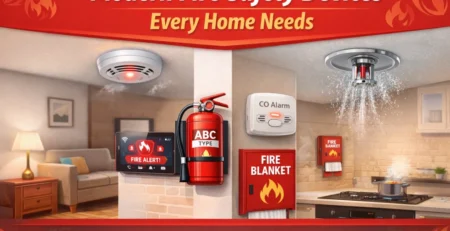
Having the step-by-step procedure can help you prepare for the worst with the best process, which is effective. The table below outlines the steps in four simple steps, provides examples of the tools used, and explains why they matter. Selecting suppliers of fire extinguishers is vital for the careful integration of the system, which can prepare you for emergencies.
| Pillar | What It Does | Examples | Why It Matters |
|---|---|---|---|
| Early Detection | Identifies fire/smoke at the earliest stage | Smoke detectors, heat sensors, flame detectors | Buys critical seconds to minutes for response |
| Alert & Evacuation | Notifies occupants and triggers evacuation protocols | Electrical sirens, fire bells, PA systems, and strobe lights | Ensures everyone knows there’s an emergency even in large or multi-floor buildings |
| Suppression Tools | Actively fights and extinguishes the fire | Fire extinguishers (CO2, foam, dry powder), sprinkler systems, fire hoses | Stops fire spread when used correctly and promptly |
| Emergency Access & Escape | Facilitates safe evacuation and firefighter entry | Emergency exits, fire doors, signage, and emergency lighting | Prevents casualties and enables professional firefighting |
Final Words!
Fire safety is non-negotiable, whether it’s commercial, residential, or industrial spaces, and an electrical siren is the first step. Do not just focus on installing fire extinguishers because they’re only one piece of the puzzle. A complete fire safety system requires early detection, reliable alerts, appropriate suppression tools, and clear evacuation protocols. Waiting until the incident to realize your building wasn’t adequately protected is a risk no owner, facility manager, or safety officer should take. It’s not a wise and appropriate decision.
Check your current fire safety setup and ensure you have both alert systems and an electrical siren. In addition, with the right fire extinguishers for your building’s unique risk. Reach out to Somya Pyrotek Services Pvt. Ltd., a trusted supplier of fire extinguishers and fire safety equipment. We offer end-to-end solutions from risk assessment to installation and maintenance.
FAQs
Ans: The main difference between these two is that a fire alarm system includes the detectors, control panels, and alert devices. On the other hand, an electrical siren is a specific alert device within that system, designed to emit a loud, audible warning. It’s automatic when fire is detected, resulting in a building-wide notification.
Ans: No. Indian fire safety regulations typically require a combination of detection systems, audible/visual alarms, extinguishers, and emergency exits. Sometimes, sprinkler systems also. So pick your suppliers of fire extinguishers carefully.
Ans: Yes. We do offer installation, commissioning, and even integration services for l sirens, fire alarm panels, and other fire safety equipment.
Ans: Absolutely. We conduct on-site fire risk assessments and evaluate building layout and occupancy to tailor your safety package. That combines extinguishers, electrical siren, hoses, and suppression systems to match your specific operational and compliance needs.