Tubing Suppression System: Know Vital Maintenance Tips to Enhance Its Durability
Fire protection is not something businesses can afford to overlook, especially in specific areas where electrical panels, engines, machinery, and other equipment can instantly become fire hazards. This is why a tubing suppression system provides automatic fire protection by detecting heat and releasing the extinguishing agent directly at the source of a fire. Because the system often works without requiring instant human intervention, its reliability depends heavily on proper installation, timely intervention, and regular inspection.
Over time, factors such as heat, damaged tubing, neglect, dust, or pressure loss can affect the system’s performance. Regular maintenance helps identify these problems before they escalate into serious issues with machinery, enclosed equipment, well-maintained cabinets, industrial machinery, or control panels. A well-maintained tubing suppression system can provide dependable protection when it matters most. Therefore, in this comprehensive blog post, we will discuss some fundamental maintenance tips that every individual should consider to enhance the overall durability and sustainability of the suppression system to avoid unwanted fire hazards.
What is a Tubing Suppression System?
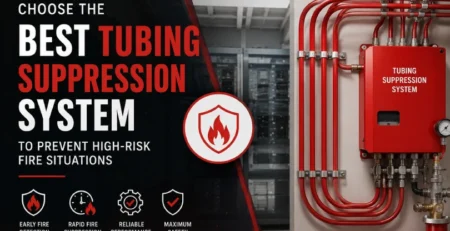
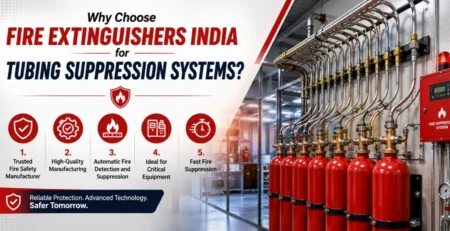
A tubing suppression system is an automatic fire protection arrangement that employs specially designed fire detection tubing to identify excessive heat and activate fire suppression. The tubing is normally routed around or close to potential fire sources. When the temperature rises beyond the suppression system’s activation point, the tubing reacts and triggers the release of a stored extinguishing agent through a connected discharge mechanism.
Its ability to offer localized protection without requiring a complicated electrical detection network is one of its vital advantages. Since the detection tube can be installed close to vulnerable elements, it can respond immediately to a developing fire. These suppression systems are commonly used for protecting electrical cabinets, CNC machines, generators, industrial machinery, control panels, server-related equipment, and other enclosed or high-risk applications.
Key features of a Tubing Suppression System
- The system is capable of sensing overheating through detection tubing and can activate the suppression mechanism without completely relying on manual action.
- As the tubing system is located close to the possible areas of fire, the system will work effectively whenever there is an abnormal amount of heat or flame generated in the protected area.
- Due to its simple structure, it becomes an ideal choice for limited spaces where conventional fire protection systems cannot be installed.
- The fire extinguishing material can be dispensed in proximity to the source of fire, which helps in controlling the localized fire hazard.
- There are many tubing systems that do not require complex electronic fire detection devices and are effective for equipment protection purposes.
Technical Configuration of a Tubing Suppression System
| Component | Typical Configuration / Purpose |
|---|---|
| Detection Tubing | Heat-sensitive tubes installed near possible fire sources |
| Suppression Cylinder | Contains the selected extinguishing agent under pressure |
| Detection Tube Connection | Connects the detection tube and the suppression unit |
| Pressure Gauge | Shows the status of pressure inside the cylinder |
| Discharge Mechanism | Triggers the release of the extinguishing agent |
| Discharge Nozzle | Carries the extinguishing agent to the area to be protected |
| Mounting Brackets | Attach the cylinder and the accessories to their positions |
| Detection Temperature | Based on the design and intended use of the system |
| Extinguishing Agent | The extinguishing agent is selected based on the fire hazard and equipment |
| Tubing Arrangement | Installed close to the fire hazard components |
Essential Maintenance Tips You Should Know to Enhance the Durability of a Tubing Suppression System
Regular maintenance is the easiest method to ensure the reliability of fire suppression systems throughout their service life. Likewise, let’s look into some imperative maintenance tips that you must know:
1. Regular Inspection of Detection Tubing
This component is one of the most important ones since it is responsible for the detection of excessive heat. Check it regularly for any signs of cuts, cracks, kinks, abrasions, loose connections, or ageing. Ensure that the tubing remains positioned appropriately near the areas of possible fire hazards. Damage or improper routing may impair the performance of the tubing.
2. Inspection of the Cylinder and Pressure Gauge
Make sure that the tubing suppression system looks good, with no signs of corrosion, damage, leakage, or other issues. Check that the pressure gauge remains within the manufacturer’s recommendations. If you see that the pressure is unusually low or there are some signs of damage, schedule a professional inspection. Do not attempt to fix such components yourself or fill up the cylinder.
3. Regular Cleaning of the Nozzles
The discharge nozzles need to remain clean to allow the extinguishing agent to enter the protected zone. Dust, dirt, paint, grease, or any other debris can accumulate in the vicinity of the equipment and potentially cause obstruction of the nozzle. During routine maintenance, check the state of the nozzles and their surroundings. It is never allowed to block, alter, or relocate a nozzle without approval of the approved system design.
4. Regular Examination of Connections and Fittings
Loose fittings or damaged connections may negatively influence the reliability of the suppression system. During regular inspection, check for any signs of deterioration or damage on the connections of the tubing, valves, fittings, brackets, and related components. Check that all of them remain securely fixed and aligned. Any loose or damaged fitting requires assessment by a specialist, not temporary repairs.
5. Following the Recommended Servicing Schedule
A tubing suppression system should not be serviced only when the problem becomes obvious. Follow the inspection and servicing intervals recommended by the manufacturer and fire-safety regulations. Professional servicing may uncover issues not apparent during visual inspection. Proper service records will help you to keep track of inspections, replacements, refills, and other maintenance tasks.
6. Protection of the System from Harsh Environmental Conditions
Moisture, excessive heat, vibration, chemicals, dust, and physical impact can gradually affect the components of the suppression system. It is always better to protect the cylinder, tubing, fittings, and other components from excessive environmental exposure. If any changes occur in the machinery and operating environment that require protection, re-examine the installation. This ensures the tubing remains properly positioned and protected.
7. Timely Replacement of Worn Parts
Any tiny crack, damaged tube, corroded fitting, or any other faulty component requires immediate attention. The fire suppression equipment needs to remain ready for action at any time, which is why all worn parts should be replaced with compatible replacements approved for the particular system. Never resort to improvisation or component alterations that might negatively affect the performance of the system.
It’s Time to Wrap Things Up!
We hope this blog has provided you with all the precise details about the maintenance tips that you must look into to enhance the overall sustainability of a fire suppression system. As we all know, a tubing suppression system can be very useful in protecting valuable equipment and preventing localized fires. Well! Proper installation, routine inspections, professional servicing, and timely replacement of worn components are crucial for maintaining the readiness of the system.
At Fire Extinguishers India, we know that every business has its own fire-safety requirements. Our mission is to provide safe and reliable fire protection solutions for industrial, commercial, and equipment environments. So, do not leave your fire protection system uncovered until a fire emergency occurs. Maintain your fire protection solutions according to the recommendations to achieve long-term operation. Contact us today to learn about your tubing suppression system requirements.
Frequently Asked Questions
Yes. Malfunctioning, damaged, improperly installed, or aged detection tubes may impair the operation of the system in terms of its response to excess temperature. All signs of possible damage should be thoroughly evaluated by a certified specialist and a respective replacement made.
The tubing system needs to be protected from being exposed to moisture, high temperatures, chemicals, dust, vibrations, and impacts. Should any changes occur in the environment, the tubing system should also be evaluated to ensure its proper location and protection.
Some indicators of the system being in need of servicing include low cylinder pressure, corrosion, damaged tubes, loose connections, nozzle blockages, leaks, physical damage, and other visible signs of wear.
The system should never be refilled, serviced, or repaired by somebody who lacks relevant qualifications, since improper repair can reduce system efficiency. The servicing should always be performed according to the manufacturer’s requirements using qualified specialists.