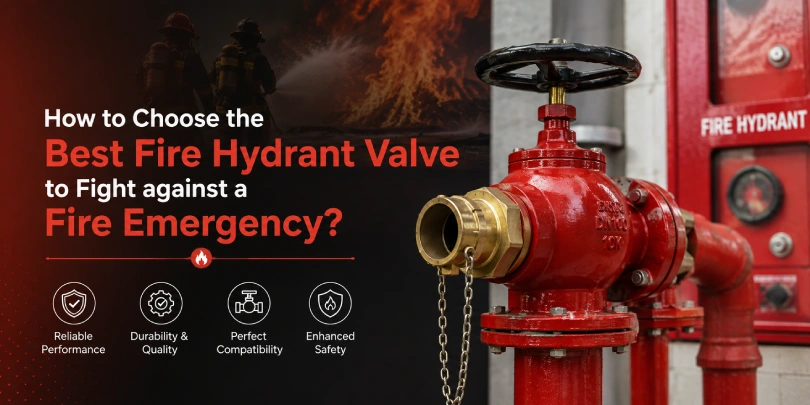
How to Choose the Best Fire Hydrant Valve to Fight against a Fire Emergency?
Selecting the appropriate fire hydrant valve is one of the most critical decisions that one must make when designing a fire safety system for an industrial establishment. The appropriate industrial fire hydrant valve guarantees that your firefighting equipment works effectively in case of any emergencies. Additionally, a valve is also essential to ensure that your work environment is in compliance with all the necessary safety regulations. This minimizes legal problems and operational disruptions. Some of the things to put into consideration when choosing a valve include type, material, durability, pressure ratings, and other technical specifications.
Furthermore, using dependable options such as UL and BS fire hydrant valves would enhance the efficiency of your fire protection system. In addition, in this comprehensive blog post, we will discuss some key factors that you must consider when choosing the best fire hydrant valve to prevent fire from escalating.
What is a Fire Hydrant Valve?
A fire hydrant valve is a significant pipe fitting and control device that connects a fire hose to a pressurized water supply. Furthermore, it allows firefighters to prevent water flow during emergencies. It is also known as a landing valve and acts as an access point to main water networks in public streets or buildings.
Key Features of a Fire Hydrant Valve
- These valves are made from high-strength materials such as gunmetal, stainless steel, or brass, making them capable of enduring extreme weather conditions and resisting rusting.
- They have been designed to be able to cope with huge amounts of water pressure and are subjected to rigorous hydrostatic tests to ensure they do not fail.
- The valves come equipped with regular instantaneous couplings which enable firefighters to connect fire hoses instantly without wasting time in connecting threads.
- The internal structure is designed to reduce friction and ensure an uninterrupted flow of water.
- Quality rubber gaskets and spindle packing materials are used in order to eliminate pressure leakage and dripping of water whenever the valve is closed.
- There is a manual wheel available which makes it possible for people to operate this valve without any pressure spike.
Technical Configuration of a Fire Hydrant Valve
| Parameter | Technical Configuration |
|---|---|
| Product Name | Fire Hydrant Valve |
| Material | Gunmetal, Brass, Cast Iron, or Stainless Steel |
| Valve Type | Landing Valve / Oblique Type Hydrant Valve |
| Inlet Connection | 63 mm or 80 mm Flanged / Screwed Connection |
| Outlet Connection | 63 mm Instantaneous Male Coupling |
| Working Pressure | 10–16 Bar |
| Hydrostatic Test Pressure | Up to 24 Bar |
| Operating Mechanism | Handwheel Operated with Screw-Down Mechanism |
| Valve Seat Material | Brass, Bronze, or EPDM Rubber Seat |
| Stem Material | Stainless Steel or Brass |
| Finish | Red Epoxy Powder Coated or Natural Metal Finish |
| Temperature Range | -10°C to +80°C (depending on seal material) |
| Applicable Standards | IS 5290, IS 14846, BS 5041, EN 671 (as applicable) |
| Application | Fire hydrant systems in commercial, industrial, residential, and public buildings |
| Installation Location | Indoor and Outdoor Fire Hydrant Networks |
| Maintenance Requirement | Periodic inspection, lubrication, leak testing, and pressure testing |
Things to Keep in Mind When Buying a Fire Hydrant Valve
When choosing a fire hydrant valve, you must ensure you evaluate some significant performance and safety factors that are mentioned below:
1. Select a Robust Material that Can Perform Well in Difficult Conditions
One of the main criteria for selecting a fire hydrant valve is material since it significantly affects the durability and performance of the device. As these devices are often installed outdoors and exposed to moisture, dust, temperature changes, etc., they should be made from a robust material that will endure difficult conditions. Metals such as brass, bronze, and hard-coated aluminum are among the most common ones because they have high strength and high corrosion resistance. It is important to use a strong metal in order to prevent any leaking and cracking. Moreover, buying a reliable valve is an investment that will reduce costs for maintenance and repairs while also providing efficient performance in an emergency situation. Thus, a corrosion-resistant and robust valve is always a better choice.
2. Ensure that the Pressure Rating Will Fit Your Fire Hydrant System
There are different pressure ratings for different fire hydrant systems. That is why checking it before buying a fire hydrant valve is very important because if the valve does not correspond to your system, then it can fail to operate during emergencies. It will cause leakage or even damage the firefighting network. Along with pressure ratings, one also has to pay attention to the water flow rate that the valve can provide. If a properly selected valve is chosen, then water will flow quickly and easily without reducing pressure.
3. Ensure that the Selected Size Will Fit Properly
Fire hydrant valves are available in various sizes like 63 mm, 65 mm, and 80 mm. The selection of a proper size is also important since it can influence the efficiency of the system. A valve that is too large or too small will not fit the existing pipeline and can lead to leaking, pressure drops, etc. Before buying a fire hydrant valve, it is recommended to check pipe dimensions and the general design of the system in order to ensure a proper fit and avoid problems in the future.
4. Buy Only the Valves that Are Certified and Approved
Quality of equipment used for fire safety should never be compromised. That is why the selection of certified fire hydrant valves is extremely important. These products pass strict quality checks to be able to perform reliably in emergencies according to recognized national or international standards. Certified valves can help to make your property safe and compliant with fire safety regulations. On the contrary, the use of uncertified or low-quality valves increases the safety risks. That is why it is important to ensure that the purchased product meets all required quality standards.
5. Buy a Simple Valve That Will Be Easy to Operate
Fire hydrant valves come with different operating mechanisms. They include screw-down handwheels, gate valves, and ball valve designs. Depending on the purpose and specifics of the application, each design has its own advantages. For example, some valves can close gradually to reduce the water hammer effect and protect the pipeline from damage, and there are valves that ensure fast water flow during an emergency. It depends on the needs of the facility and the people who will operate the system. Selection of a valve that is easy to operate will ensure that the maintenance team, security personnel, or firefighters can operate it without difficulties and confusion.
It’s Time to Wrap Things Up!
When choosing fire hydrant valves, not only should technical requirements be considered but also the safety of your employees, your assets, and your business. All aspects, including materials, pressure ratings, certifications, maintenance, and many more, play an important role in determining the dependability of the fire extinguishing system. If you wish to get a premium-quality fire hydrant valve manufactured under recognized standards, Fire Extinguishers India should be your choice. We offer highly dependable and efficient fire safety devices that are designed especially for your commercial, industrial, and residential establishments. So, do not wait any longer. Connect with our team today and purchase the premium-quality hydrant valve.
Frequently Asked Questions
Ensure the valve is suitable for your fire hydrant system pressure rating, pipe size, and installation requirements. It should also be corrosion-resistant and meet the safety regulations, along with being easy to operate in emergencies.
Check out some vital recommendations:
- Brass: Highly corrosion-resistant and long-lasting.
- Gunmetal / Bronze: Very durable in harsh environments.
- Stainless steel: Best for corrosive environments and high strength requirements.
A valve with an appropriate pressure rating will allow easy water flow in emergency situations. Using a valve with an inappropriate pressure rating may cause leaks, lower the efficiency of the firefighting process, or lead to damage of the system over time.
Search for valves that meet standards like IS 5290, IS 14846, BS 5041, or others applicable. Such certified valves undergo rigorous testing for quality and can guarantee your safety and reliability.
Some common sizes are 63 mm, 65 mm, and 80 mm. The correct size will depend on your pipeline and fire hydrant network design. Choosing the right size will prevent water pressure loss.